laser music show
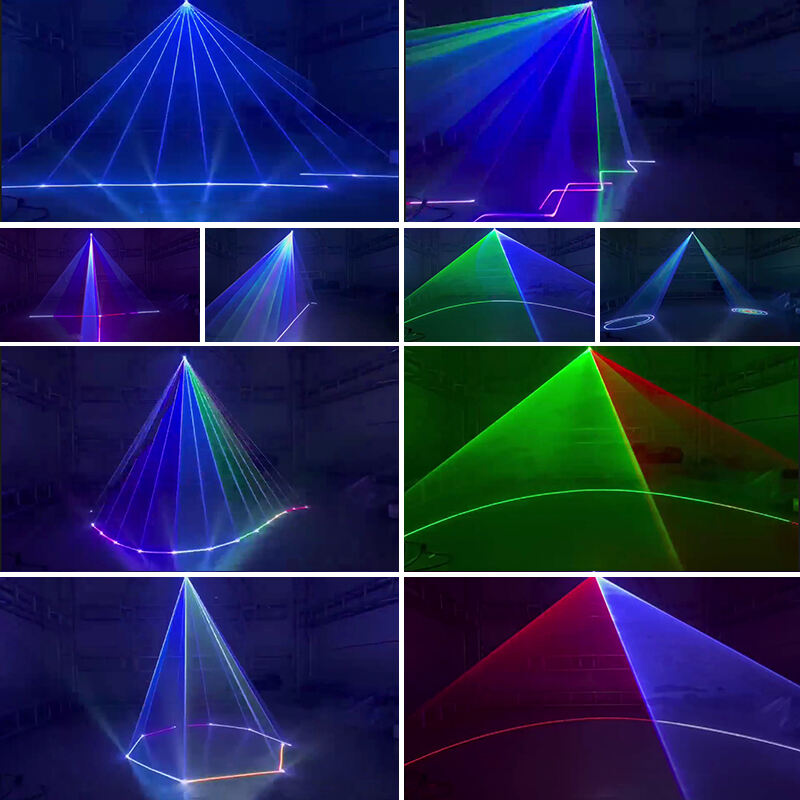
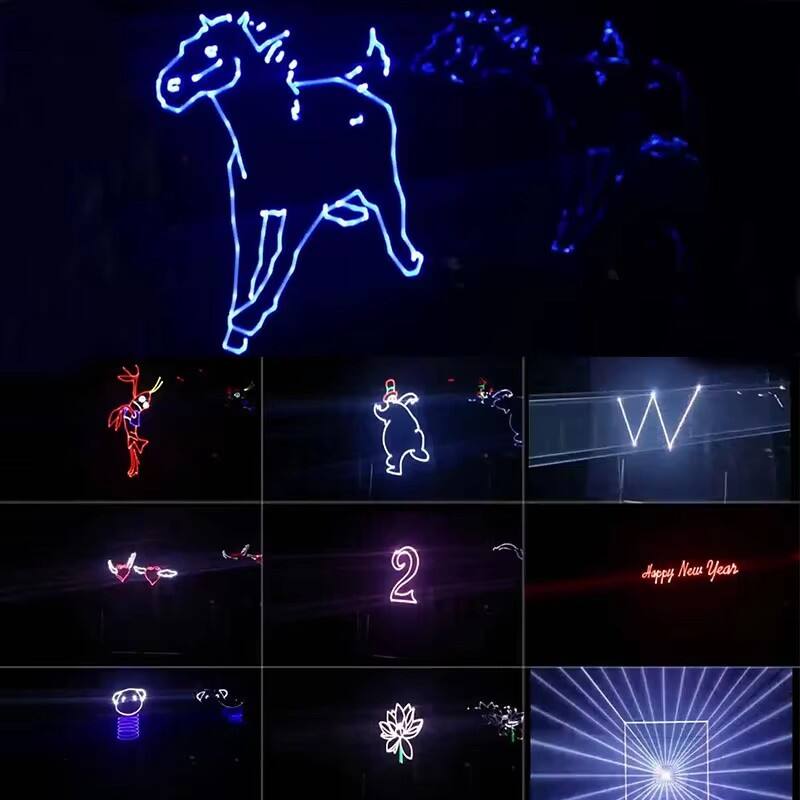
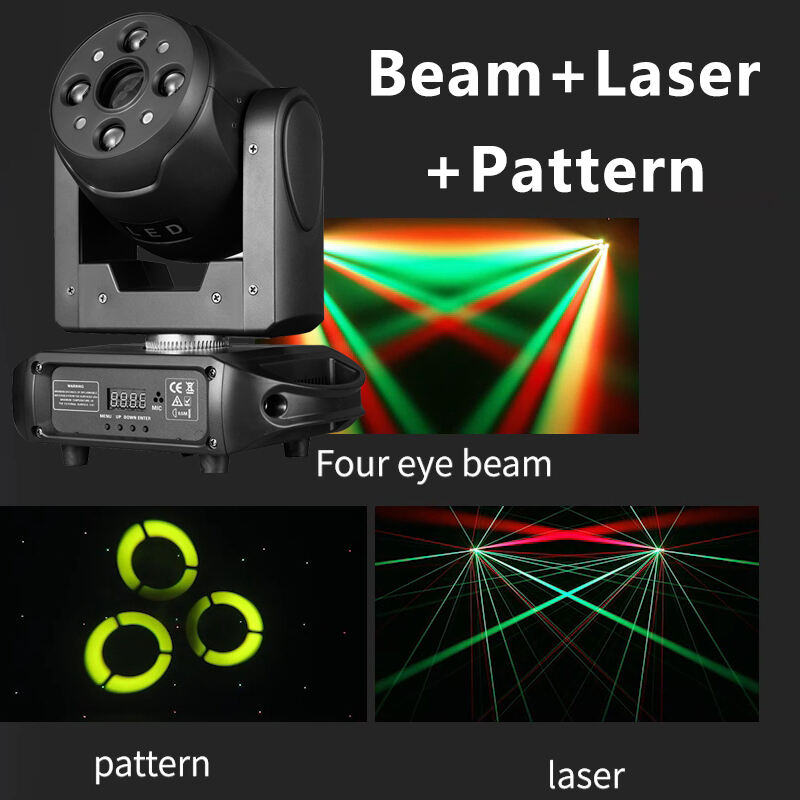
A laser music show represents a cutting-edge entertainment technology that synchronizes powerful laser projections with musical compositions to create immersive audiovisual experiences. This sophisticated system combines precision laser equipment, advanced software programming, and sound analysis technology to produce spectacular light displays that move, pulse, and dance in perfect harmony with accompanying music. The laser music show operates through computer-controlled laser projectors that emit focused beams of colored light, which are then manipulated by galvanometer scanners and specialized optical components to create intricate patterns, shapes, and animations across surfaces or through atmospheric mediums. The core functionality revolves around real-time audio analysis, where the system processes musical input to trigger corresponding visual effects based on rhythm, tempo, frequency, and amplitude variations. Key technological features include high-powered RGB laser diodes capable of producing vibrant colors across the visible spectrum, precise beam steering mechanisms that ensure accurate positioning and movement, and sophisticated control software that enables both automated and manual programming modes. Modern laser music show systems incorporate safety protocols including beam containment measures, automatic shutdown mechanisms, and compliance with international laser safety standards. These systems find extensive applications across diverse venues including concert halls, nightclubs, festivals, corporate events, theme parks, planetariums, and private celebrations. The technology serves multiple entertainment sectors from live musical performances and DJ sets to theatrical productions and architectural lighting displays. Professional installations often feature multiple laser projectors working in coordination to cover large spaces and create three-dimensional effects. The laser music show technology continues evolving with innovations in solid-state laser sources, wireless control systems, and integration capabilities with existing audio and lighting infrastructure, making it an increasingly popular choice for venues seeking to enhance their entertainment offerings with memorable visual spectacles.

 EN
EN