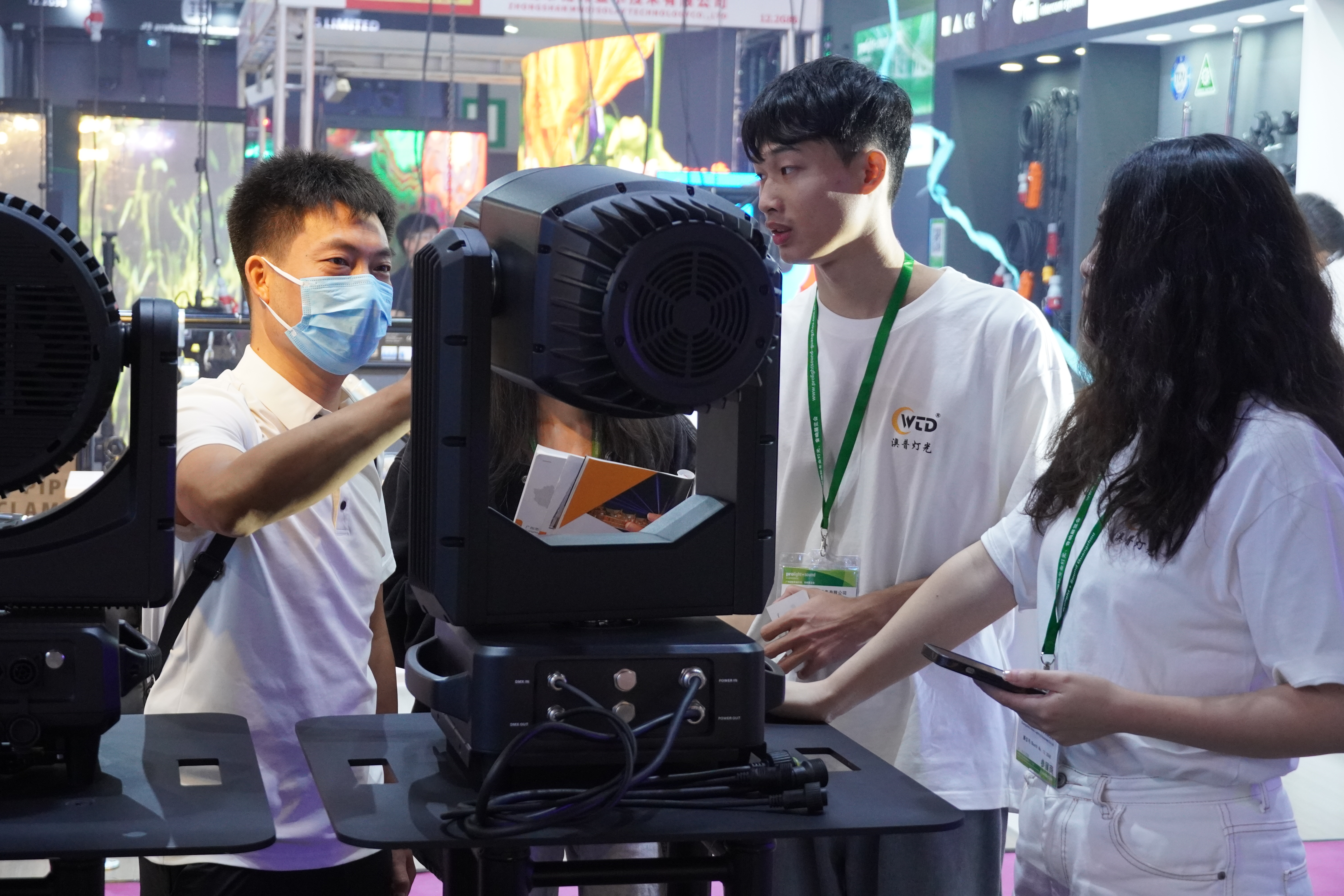
rotating dj lights
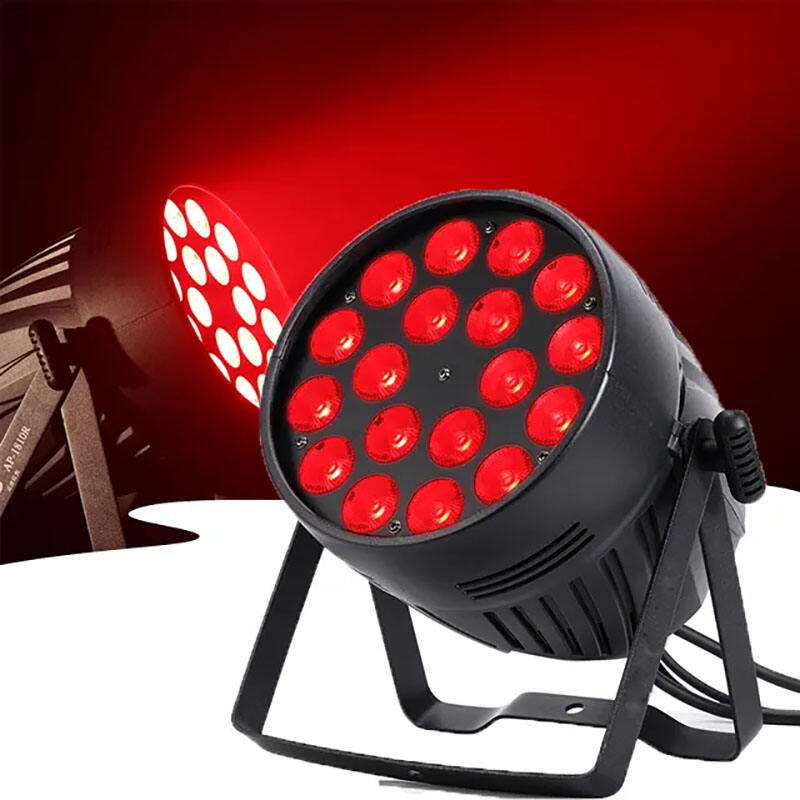
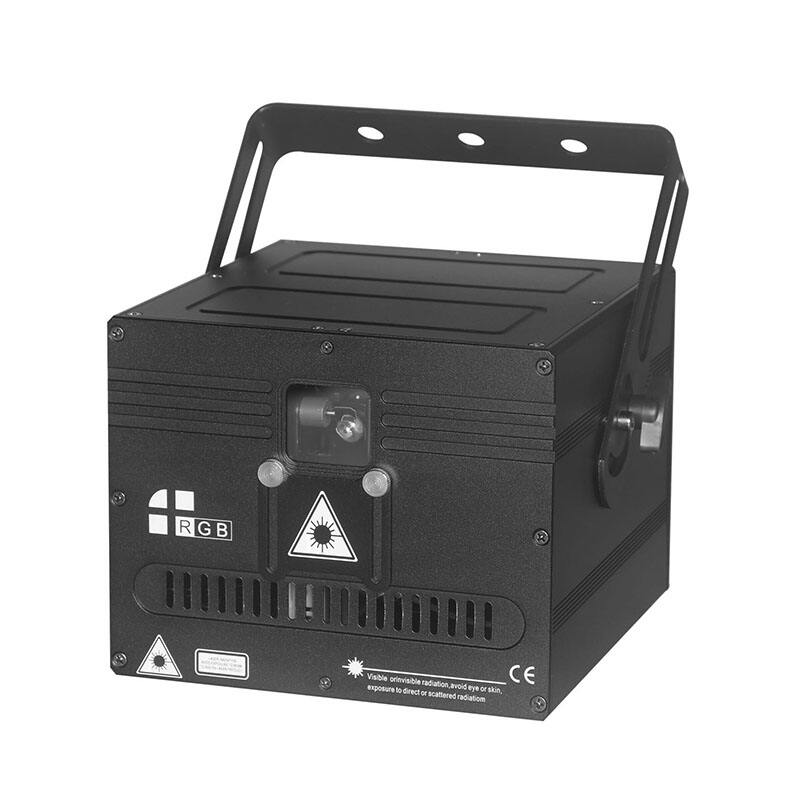
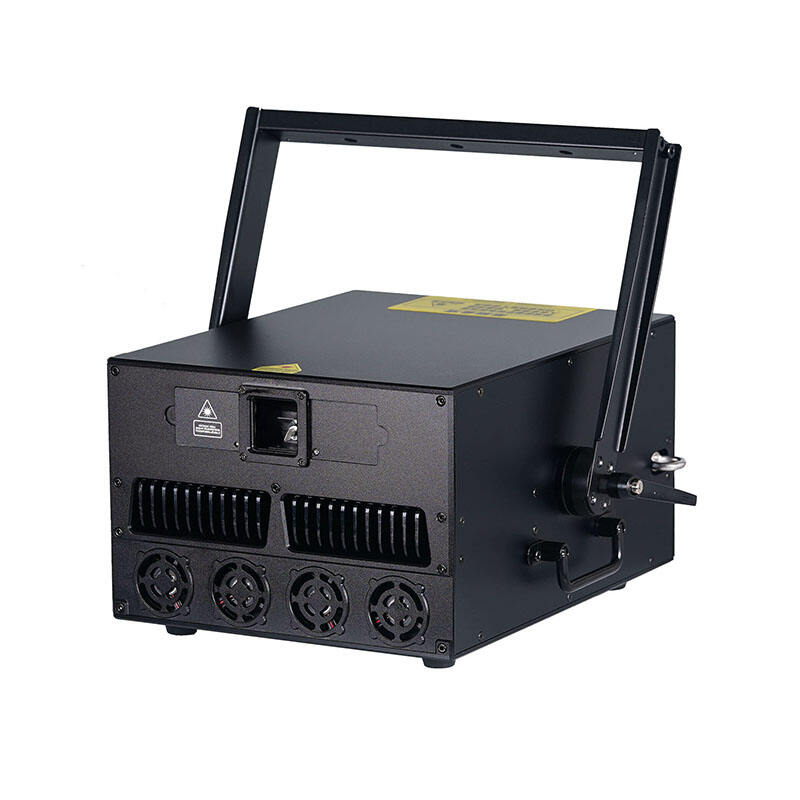
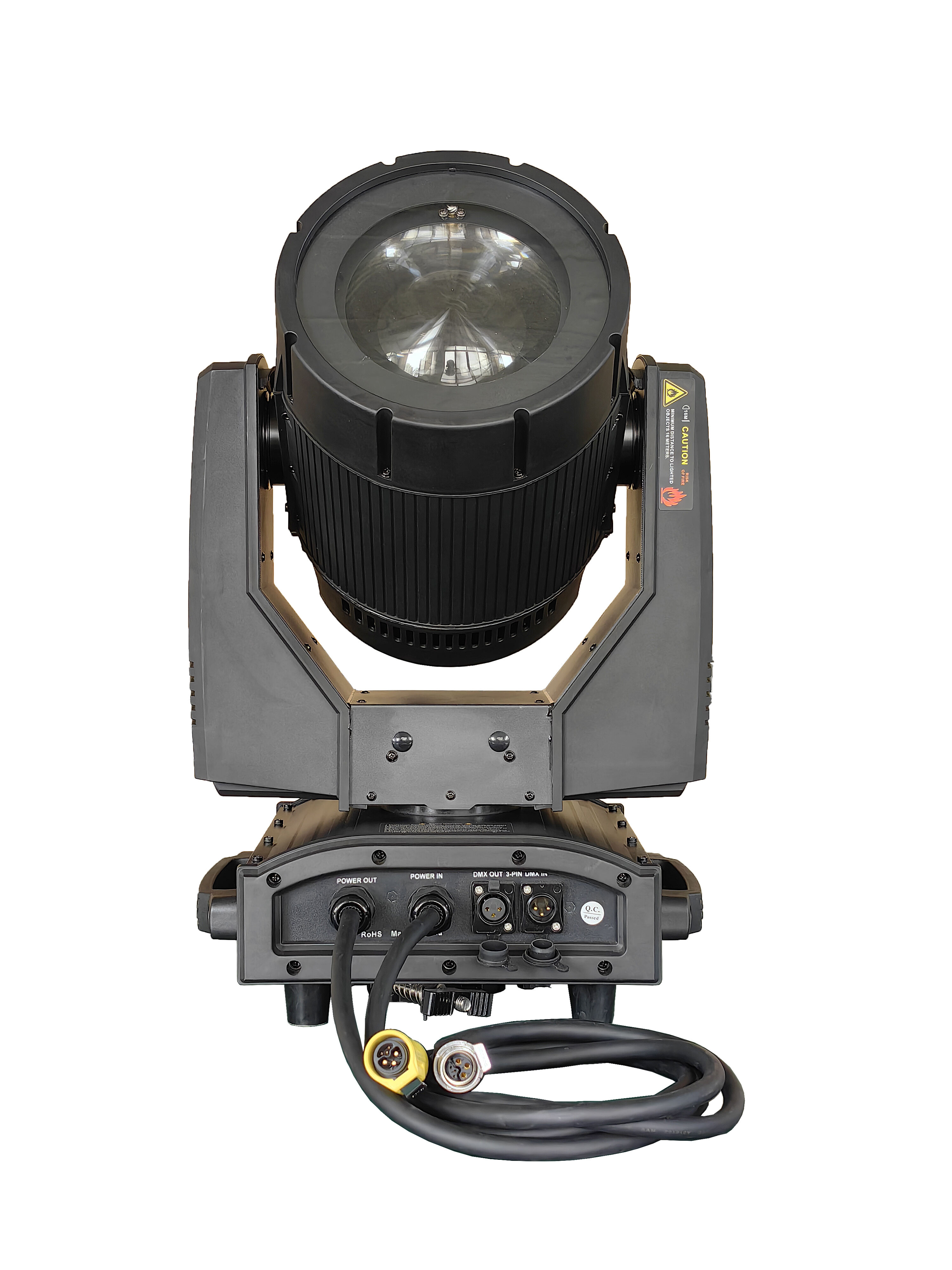
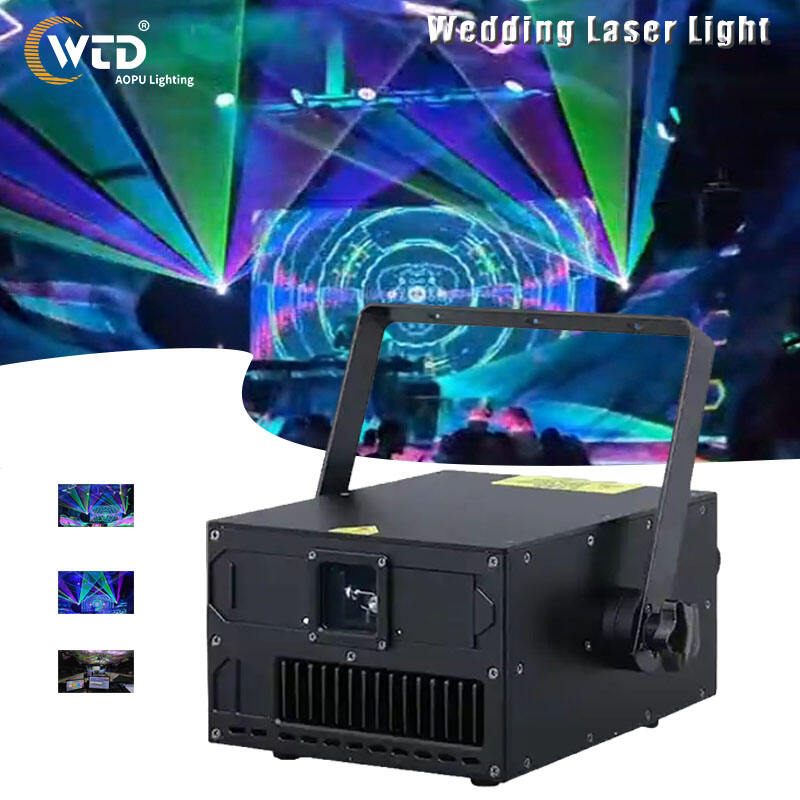
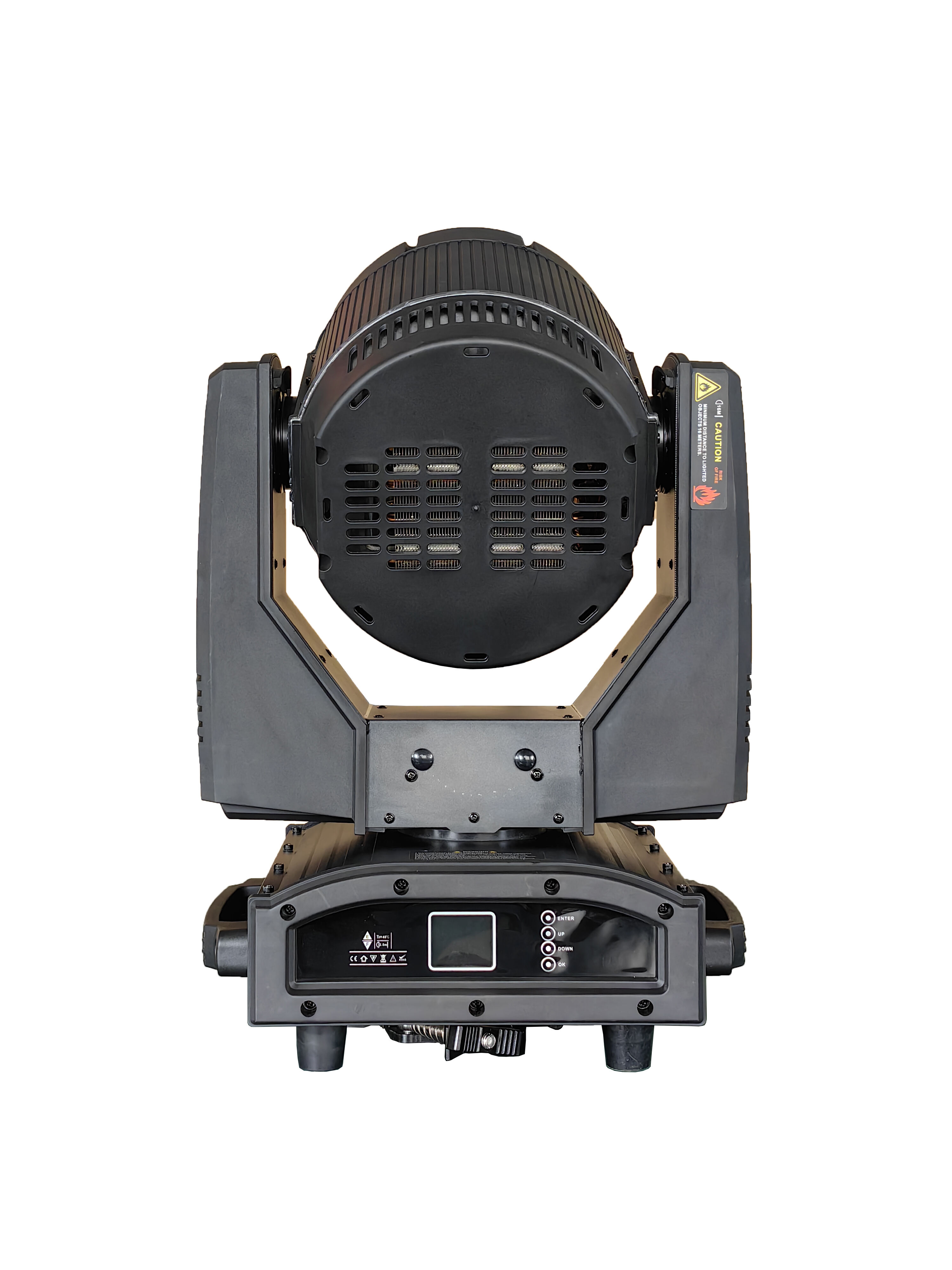
Rotating DJ lights represent a cornerstone technology in professional entertainment lighting, delivering dynamic visual effects that transform any venue into an immersive experience. These sophisticated lighting fixtures combine precision engineering with creative versatility, offering event organizers, nightclub operators, and mobile DJs an essential tool for creating captivating atmospheres. The primary function of rotating DJ lights centers on their ability to project moving beams, patterns, and colors across dance floors, walls, and ceilings, synchronizing with music to enhance the overall sensory experience. Modern rotating DJ lights incorporate advanced LED technology, providing energy-efficient illumination while maintaining exceptional brightness and color accuracy. The rotation mechanism operates through high-precision motors that enable smooth, continuous movement patterns, allowing operators to create sweeping light shows that follow musical rhythms and beats. These fixtures typically feature multiple operational modes, including automatic sound-activated programs, master-slave configurations, and DMX control compatibility for professional lighting designers. The technological foundation of rotating DJ lights includes sophisticated optical systems that focus and shape light output, ensuring maximum visual impact across various venue sizes. Advanced models integrate programmable color mixing capabilities, combining red, green, blue, and white LEDs to produce virtually unlimited color combinations. The rotation speed remains fully adjustable, enabling users to match light movement to different musical genres and energy levels. Professional-grade rotating DJ lights often incorporate gobos, which are metal or glass templates that create specific patterns and shapes when light passes through them. These patterns can range from simple geometric designs to complex artistic motifs, adding another layer of visual interest to performances. The applications for rotating DJ lights span numerous entertainment sectors, including wedding receptions, corporate events, nightclub installations, concert venues, mobile DJ services, and private parties. Their versatility makes them equally effective in intimate settings and large-scale productions, adapting to different ceiling heights, room dimensions, and audience sizes through adjustable mounting options and beam angle controls.

 EN
EN