Versatile Control and Connectivity Options
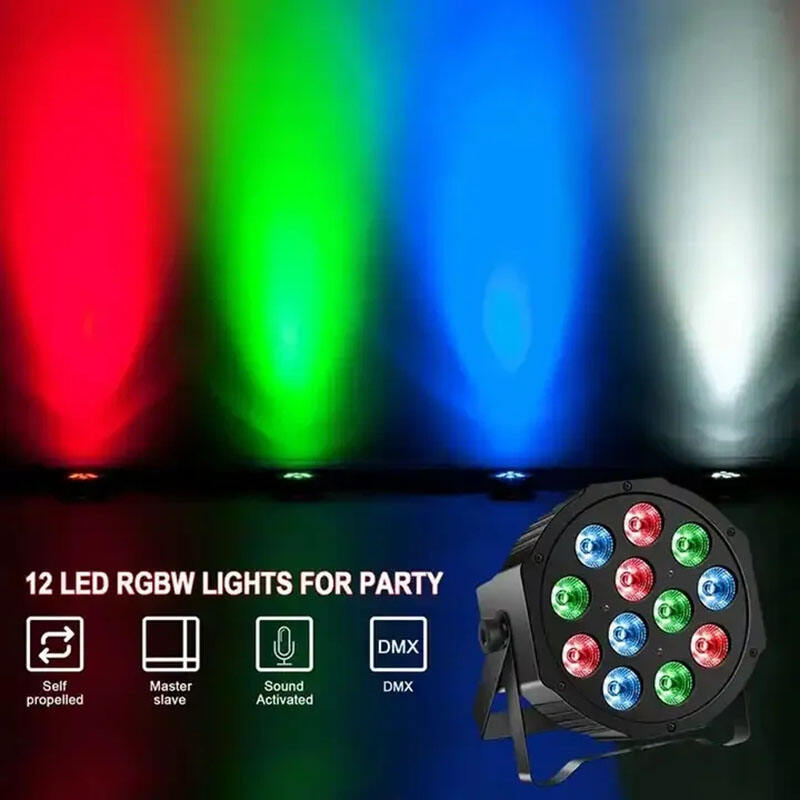
The versatile control and connectivity options integrated into modern mini par lights provide unprecedented flexibility and ease of operation that accommodates everything from simple plug-and-play installations to complex automated lighting systems. Multiple control protocols including DMX512, wireless DMX, and proprietary wireless systems ensure compatibility with existing infrastructure while providing upgrade paths for future system expansion and enhancement. Smartphone and tablet applications transform mobile devices into powerful lighting controllers, enabling real-time adjustment of color, intensity, and effects from anywhere within wireless range, dramatically simplifying operation for users who require immediate control without extensive technical training. Built-in automatic programs provide instant operation for users who need immediate results without programming knowledge, featuring sound-activated modes that synchronize lighting effects with music and preset color sequences that create dynamic displays at the touch of a button. Master-slave functionality allows multiple fixtures to operate in perfect synchronization without requiring a lighting controller, enabling simple yet effective lighting installations that maintain professional coordination across all connected units. Art-Net and sACN protocols provide seamless integration with modern lighting networks, enabling control over standard Ethernet infrastructure that simplifies installation and reduces cabling requirements while maintaining professional control standards. Battery operation capabilities with wireless control create completely cable-free installations that expand creative possibilities in locations where power availability is limited or where cables would create safety hazards or aesthetic concerns. USB connectivity enables firmware updates that keep fixtures current with evolving industry standards and add new features over time, protecting the initial investment while ensuring long-term compatibility with emerging technologies. Multiple trigger options including sound activation, motion sensors, and time-based programming provide automated operation that reduces operator workload while maintaining consistent performance throughout extended events. Cloud connectivity in advanced models enables remote monitoring and control over internet connections, allowing facility managers and lighting designers to adjust installations from remote locations and receive status updates on system performance. Backup control methods ensure continued operation even when primary control systems fail, providing the reliability essential for mission-critical applications where lighting failure would have serious consequences for safety or event success.

 EN
EN